The new Zhenwu V900 offers triple the performance compared to its predecessor. Announcement follows U.S. restrictions on advanced semiconductors.
Alibaba has unveiled what it calls "the most powerful artificial intelligence chip ever developed in China." The announcement was made by CEO Eddie Wu during the Apsara Conference in Hangzhou. The new chip, the Zhenwu V900, developed by the semiconductor division T-Head, offers performance three times that of its predecessor, the Zhenwu M890.
The chip is designed to support up to 500,000 cards for training advanced AI models and inference tasks. The company anticipates a significant increase in annual shipments of AI chips, driven by what Wu described as "exceptionally strong" demand. Alibaba also announced the goal of bringing the total capacity of data centers managed by Alibaba Cloud to exceed 20 gigawatts by 2032.
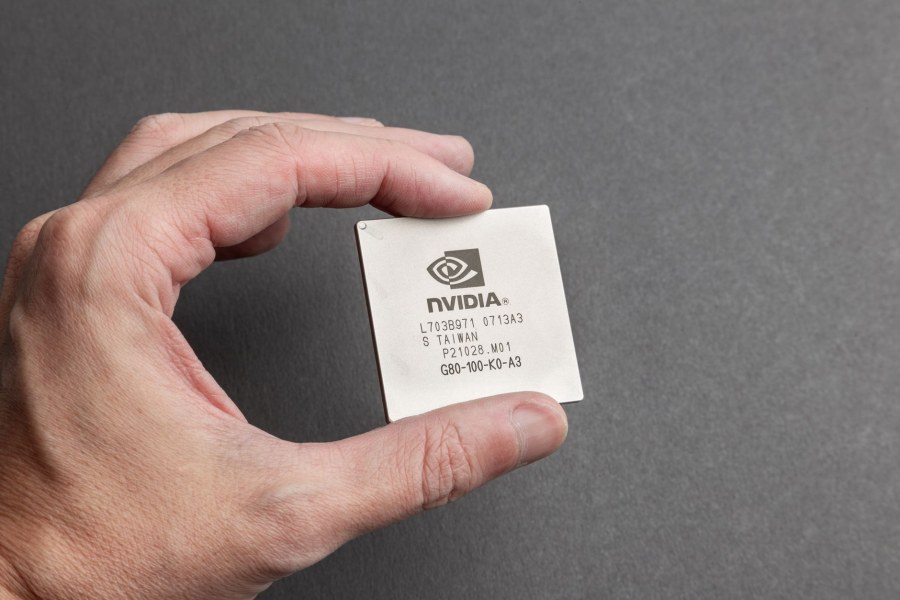
The development of independent AI chips by Chinese tech companies is a direct response to U.S. restrictions on access to advanced semiconductors. Washington has imposed export controls on the most sophisticated chips, such as those produced by Nvidia, for national security reasons. These limitations have pushed Chinese companies to seek their own alternatives to reduce dependence on foreign suppliers.
Alibaba, through its T-Head division, has been working on semiconductor development for years. The launch of the Zhenwu V900 represents a significant step in the company's roadmap, which is built on three pillars: AI models, chips, and cloud computing. This announcement is part of a broader technological race where Chinese companies are competing globally in the artificial intelligence sector, aiming to bridge the technological gap created by sanctions.
The consequences of this development could include greater technological autonomy for China in the advanced semiconductor sector and reduced reliance on Western supplies. Simultaneously, Alibaba plans to significantly expand its cloud computing capacity, recognizing that the demand for AI "far exceeds" the company's current supply capability.
"Dentro la Notizia" (Inside the Story) is an amateur, non-profit section of quoz.it, created for people who find it hard to make sense of current affairs without some context. Articles are written with AI assistance from public sources, without a professional newsroom or systematic editorial review: they may contain inaccuracies and are not a substitute for registered news outlets. This is not a registered press outlet under Italian law (L. 62/2001). Images, when not original, come from external sources for illustrative purposes only. If you find an article offensive, inaccurate, or think it should not be published — or you hold rights to a text or image and want it removed — let us know and we will act promptly.
Contact:
info@quoz.it



Comments (0)
No comments yet. Write the first one!